
The Conflict Myth: Why 'Never Fighting' Doesn't Mean A Healthy Marriage
Mar 01, 2026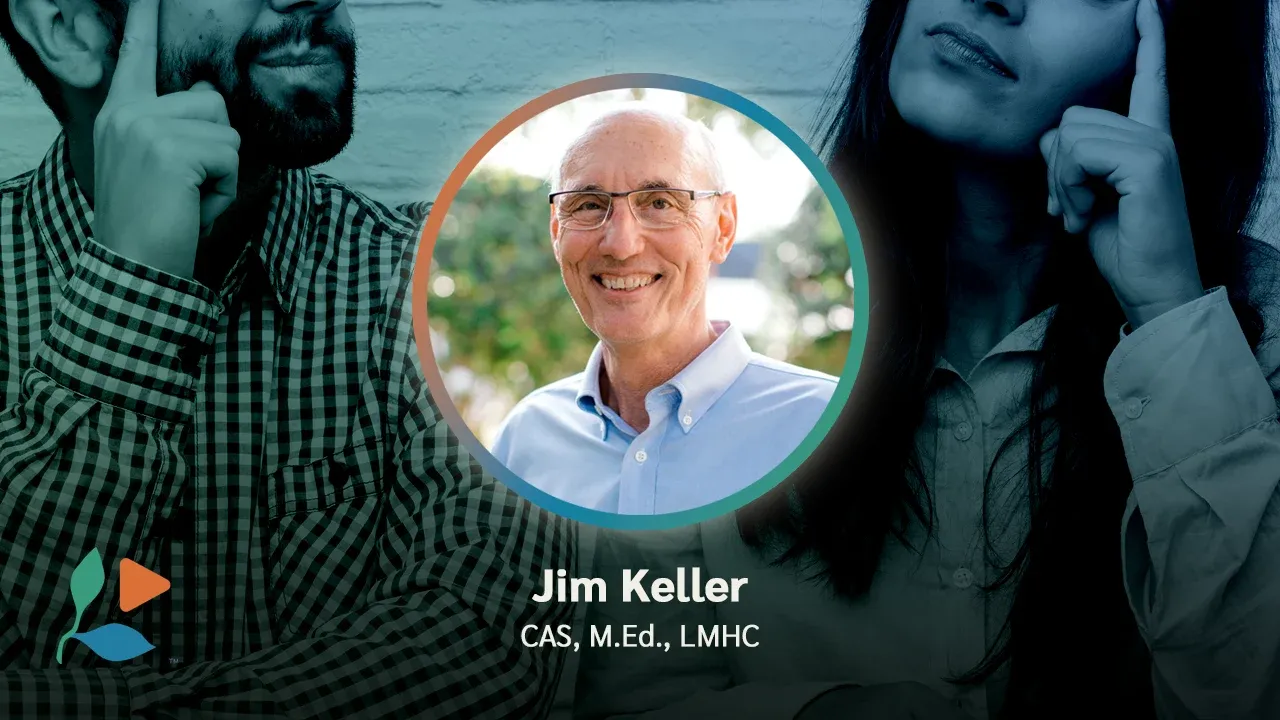
I'll never forget this young couple sitting in my office for premarital counseling. They were smiling, holding hands, radiating that newlywed glow even though they hadn't married yet. As we worked through the usual topics—finances, in-laws, future children—everything seemed perfect.
Then I asked my standard question: "Tell me about your most recent conflict. What was it about, and how did you resolve it?"
They both looked startled. Wide-eyed. Finally, the woman leaned forward with absolute conviction: "Oh, we never fight."
She smiled at her fiancé. He smiled back. And I thought to myself: "Well, there's some reality coming their way."
The Dangerous Myth We're All Buying
After three decades I can spot the couples who believe this myth from across the room. They wear it like a badge of honor: "We never fight." As if conflict-free means relationship-healthy. As if the absence of disagreement signals the presence of intimacy.
It doesn't.
In fact, research by Drs. John and Julie Gottman reveals something that surprises most people. "The happiest and most successful couples don't avoid conflict, fear or anger—they just know how to fight fairly and productively."
Think about that. The happiest couples don't avoid conflict. They engage with it. The difference isn't whether they fight—it's how they fight.
Three Types of Successful Couples—Only One Avoids Conflict
Gottman's extensive research identified three stable couple types: Volatile couples (passionate and expressive), Validating couples (calm and empathetic), and Conflict-Avoiding couples. Notice that two out of three successful couple types actively engage in conflict.
Conflict-avoidant couples can remain stable if they maintain high levels of positive interaction and accept their differences as unimportant. Research shows these couples "often referred to the passage of time alone as solving problems." They emphasize common ground rather than differences.
That works beautifully until it doesn't. When a genuinely significant issue arises that can't be swept under the rug of time, conflict-avoiding couples often lack the tools to address it. They've never practiced disagreeing constructively.
What "Never Fighting" Often Really Means
When couples tell me they never fight, I start asking questions. What I usually discover is one of three scenarios:
Scenario 1: Repressed Resentment. One or both partners are swallowing their frustrations, storing them like nuclear waste. They're not avoiding conflict—they're postponing it. And when it finally erupts (and it always does), it's catastrophic because years of unspoken grievances come pouring out.
Scenario 2: Emotional Distance. They're not fighting because they're not engaged. They're functioning more like polite roommates than intimate partners. There's no conflict because there's no depth. This is exactly why conflict avoidance leads to lower relationship satisfaction.
Scenario 3: One Partner's Dominance. The "no conflict" is actually one person always deferring to the other. There's no disagreement because one voice has been silenced. That's not peace—that's surrender.
The Research That Changes Everything
Here's the data that should fundamentally change how we think about marital conflict:
69% of relationship problems are perpetual, meaning they never get "solved." These are personality differences, preference mismatches, and ongoing tensions that successful couples learn to manage, not eliminate. "Cost of doing business" you might say.
If seven out of ten of your issues are going to stick around for your entire marriage, doesn't it make sense to get good at discussing them?
Studies on conflict avoidance during the COVID-19 pandemic found that people who avoided conflict more during lockdown reported lower relationship satisfaction. Brushing problems under the rug doesn't make them disappear—it gives them room to spread.
What Healthy Conflict Actually Looks Like
The goal isn't to eliminate conflict. The goal is to transform it from destructive to constructive. According to the Gottmans, "Conflict really has a purpose, and the purpose is mutual understanding."
Think of conflict as the price of intimacy. The closer you get to someone, the more your differences surface. That's not a bug—it's a feature. Those differences, when discussed respectfully, help you understand your partner more deeply.
I've watched couples transform their relationships not by learning to avoid disagreements but by learning to have them well. They stop seeing conflict as the enemy and start seeing it as the pathway to knowing each other better.
How to Know If Your "No Conflict" Is Healthy
Ask yourself these four questions:
Can you voice disagreement without fear? If you're afraid of your partner's response to any pushback, that's not healthy peace—it's fear-based silence.
Are you authentically content, or just keeping the peace? There's a difference between genuine alignment and conflict avoidance. Check your gut.
Do you have tools for when big issues arise? If you've never practiced disagreeing, you're unprepared for the inevitable moment when something matters too much to let slide.
Is anyone building resentment? Even if you're not fighting, unspoken frustrations are poisoning your connection from the inside out.
The Permission You Needed
You don't need to become fighters. But you do need to become comfortable with healthy disagreement. You need to practice stating your needs, expressing your frustrations, and working through differences while maintaining respect and affection.
The reality is that if you're in a relationship long enough and close enough, conflict is inevitable. The question isn't whether you'll disagree. The question is whether you've built the skills to disagree well.
That young couple in my office? I hope by now they've learned that fighting isn't a sign of failure. It's a sign of honesty, intimacy, and two people brave enough to let their real selves be known.
Author Bio
Jim Keller, LMHC, has spent over 30 years helping couples distinguish healthy conflict from destructive patterns at Charis Counseling Center in Central Florida. His course Resolving Conflict in Marriage teaches couples why conflict matters and how to use it to deepen connection.
If you enjoyed this content, consider checking out our available courses
Join Our Mailing List
We'll send you updates on new courses. Double opt-in required. No spamzies.
We hate SPAM. We will never sell your information, for any reason.
