
"Don't Be Sad" and Other Things We Say That Are Unhelpful
Mar 12, 2026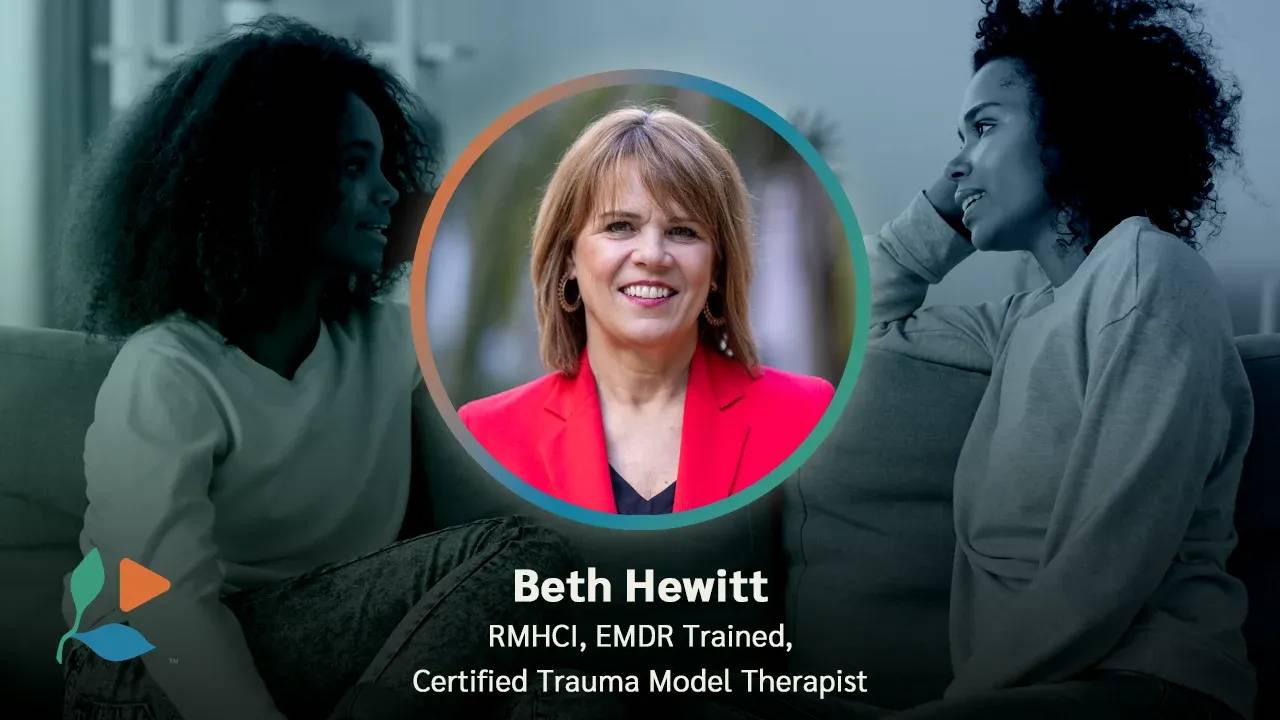
I'll never forget the look on my client's face when I told her that saying "Don't be sad" to her emotionally distraught daughter was actually making things worse. She looked at me like I'd told her breathing was bad for her health. "But I'm trying to help her," she said.
Of course she was. That's what makes this so tricky. The responses we default to when our children are upset feel caring, but they often send a message we don't intend. It tells them what they're feeling isn't real, isn't important, or needs to be fixed right away.
In my years of working with parents, children and teens, I've found that the single most powerful skill a parent can develop is emotional validation. The research behind it confirms what I see in my office every week: this skill matters more than most of us realize.
What Invalidation Sounds Like
Invalidation is the process of denying, rejecting, or dismissing someone's feelings, even when we don't mean to. Most of us do it without thinking. Invalidation sounds like:
"Don't be upset.”
“It's no big deal."
"There's no reason to be afraid."
These responses come naturally. They may have been phrases our parents used with us. But they are unhelpful because they minimize or push away emotional data instead of teaching us how to navigate it.
Here's an example I use in my course. Your daughter comes home from school and says, "Nobody played with me at recess. Nobody likes me." The instinct is to say, "Oh no, honey, lots of people like you!" and start listing every friend she has. But at that moment, her brain can't connect to those facts. The feeling of aloneness is so big that she doesn't feel like she has friends, even if she knows she does.
What she needed wasn't a correction. She needed to be seen and understood. She needed to know that what she was experiencing “makes sense.”
A 2024 meta-analysis found that family-level emotional dynamics, including how parents respond to children's negative emotions, are significantly linked to internalizing symptoms like anxiety and depression.1 And another study found that childhood emotional invalidation was associated with chronic emotional inhibition in adulthood, including thought suppression and avoidant stress responses.2
How we respond to our child's sadness (and other uncomfortable emotions) today can shape how they navigate their emotions decades from now.
What Validation Actually Sounds Like
The good news is validation isn't complicated. It's often simpler than the elaborate reassurance we default to. In my practice, I teach parents that emotional sounds like:
"That does sound hard."
"I hear you."
"It makes sense that you feel that way."
"Ouch, what a tough day."
That's it. No fixing, no correcting, no silver lining. Just a simple acknowledgment that what your child is feeling is real.
A 2024 study in Developmental Science tested this directly.3 In a randomized experiment with preschool-aged children, those who received emotional validation showed significantly higher levels of persistence than children who received invalidation or no feedback. Validation didn't just make kids feel better. It made them more capable.
Start With Yourself
If you didn't receive consistent validation as a child, giving it to your own kids will feel unnatural. You might not even recognize moments of invalidation because it sounds like the voice you grew up with.
I encourage parents to start by noticing how they talk to themselves. Self-validating self-talk sounds like:
"It's okay for me to feel sad about this.”
“It makes sense that I am feeling overwhelmed.”
“When my child is sad, it is difficult for me too."
That internal shift, treating your own emotions as real and valid, is what makes it possible to offer the same to your child.
Research from Kristin Neff at the University of Texas supports this as well. Self-compassion in parents is linked to lower stress and greater life satisfaction.4 And a 2025 study found that parents' ability to regulate their own emotions directly predicted their children's mental health outcomes, with parenting stress serving as the key pathway.5
How to Apply This Today
1. Notice your default response. The next time your child comes to you upset, pause before you speak. Are you about to fix, correct, or minimize their response?
2. Try one validating phrase such as "You're having a hard time. “I see how upset you are.” “I'm here." And then stop talking and just offer your presence. It might feel like you're not doing enough, but you're doing exactly what the research says matters most.
3. Practice on yourself first. When something is hard today, say: "It makes sense that I'd be upset right now." That's the skill in action.
Learning to validate instead of fix creates something powerful: a home where feelings are safe to have. That's not just good parenting. It's the foundation of emotional health for your whole family.
Start Learning the Skill of Validation
This blog explores the basics of emotional validation, but putting it into practice takes guidance. In my course Mental Health for Moms, I walk through the full skill of validation across four dedicated lessons: what it is, what it isn't, what it sounds like in real conversations, and how to practice it with yourself first. The course is available through our Pay What You Can pricing (minimum $10). Start the course →
About The Author:
Beth Hewitt, RMHCI, is a therapist at Charis Counseling Center in Orlando, Florida, specializing in work with mothers, young children, and families. She holds an M.S. in Clinical Mental Health Counseling from Palm Beach Atlantic University (CACREP-accredited), is EMDR Trained and a Certified Trauma Model Therapist, and spent over 12 years directing a preschool program serving 160 children. A mom of two, Beth draws from both clinical expertise and personal experience in her course Mental Health for Moms. Learn more →
Source References
1. "Meta-analysis: child emotion regulation mediates family factors and internalizing symptoms" — Lin et al., Journal of Child Psychology and Psychiatry. Cited for the link between parental emotional responses and child anxiety/depression. Accessed Mar 9, 2026.
https://acamh.onlinelibrary.wiley.com/doi/10.1111/jcpp.13894
2. "Childhood emotional invalidation and adult psychological distress" — Krause, Mendelson & Lynch, Child Abuse & Neglect (ScienceDirect). Cited for long-term effects of childhood invalidation on adult emotional inhibition. Accessed Mar 9, 2026.
https://www.sciencedirect.com/science/article/abs/pii/S0145213402005367
3. "Emotional validation promotes persistence in preschoolers" — Jeon et al., Developmental Science. Cited for causal evidence that validation improves child persistence. Accessed Mar 9, 2026.
https://onlinelibrary.wiley.com/doi/10.1111/desc.13523
4. "Self-compassion research overview" — Kristin Neff, University of Texas / self-compassion.org. Cited for self-compassion in parents linked to lower stress. Accessed Mar 9, 2026.
https://self-compassion.org/the-research/
5. "Parental emotion regulation and children's mental health: longitudinal mediation" — Multiple authors, Personality and Individual Differences. Cited for parents' emotion regulation predicting children's mental health outcomes.
https://www.sciencedirect.com/science/article/pii/S0191886925002247
If you enjoyed this content, consider checking out our available courses
Join Our Mailing List
We'll send you updates on new courses. Double opt-in required. No spamzies.
We hate SPAM. We will never sell your information, for any reason.
